November 16, 2026
Bathroom Shower Ideas: 25 Beautiful Designs for Your Next Remodel
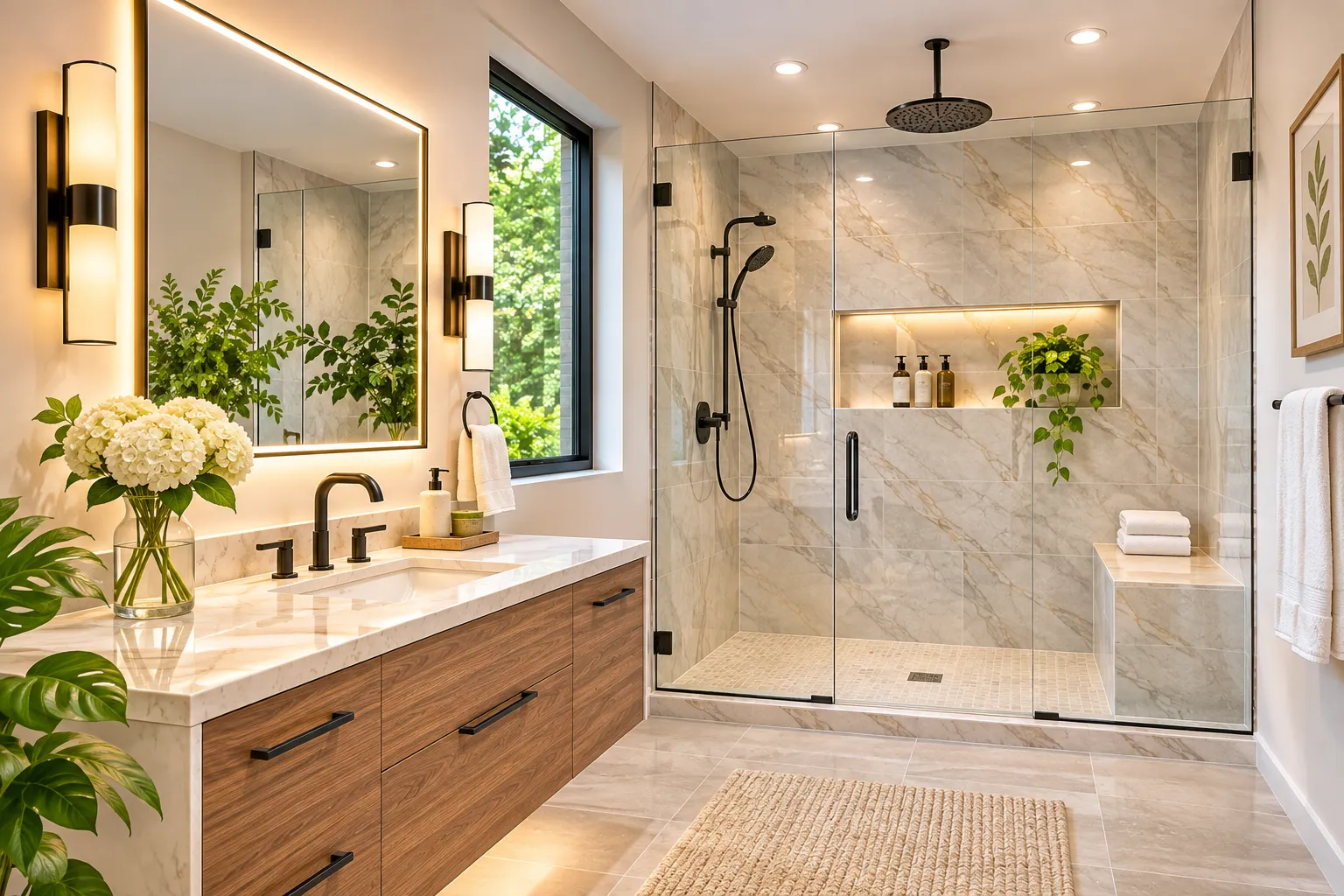

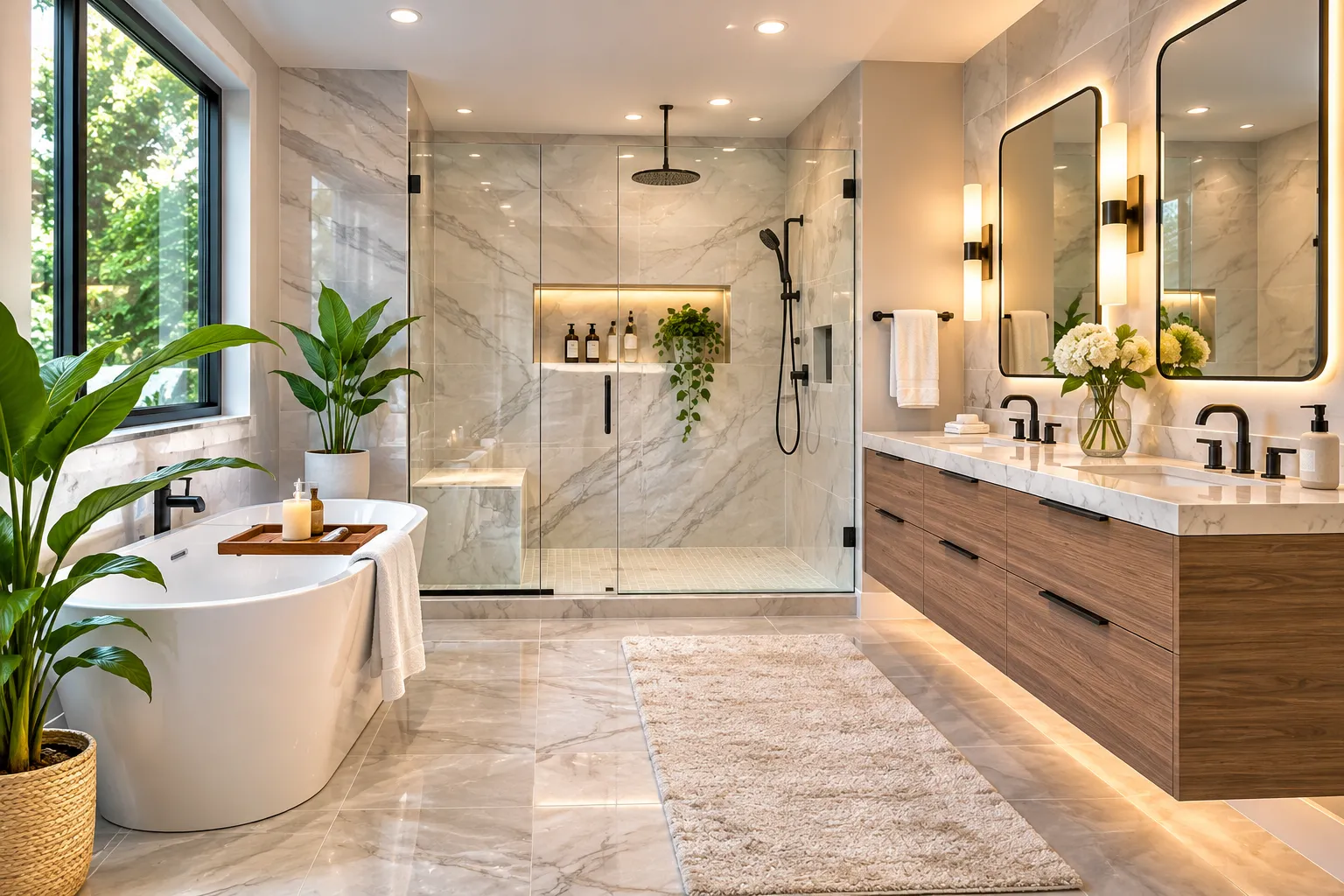
A beautiful shower can completely change how your bathroom looks, feels, and functions. Whether you're dealing with an outdated bathtub, a cramped shower enclosure, or a bathroom that simply needs a fresh appearance, exploring the right bathroom shower ideas can help you plan a space that feels comfortable, modern, and practical.
Today's showers offer more design possibilities than ever. From sleek glass enclosures and elegant marble-look walls to convenient built-in storage and accessible shower entries, homeowners can choose features that suit their lifestyle, bathroom layout, and remodeling budget.
The best shower design isn't necessarily the largest or most expensive. It's the one that works with your space, provides a comfortable bathing experience, and uses materials that can handle daily moisture and cleaning.
In this guide, we'll explore 25 bathroom shower ideas for small bathrooms, family bathrooms, primary suites, and guest bathrooms. We'll also cover shower layouts, wall materials, fixtures, storage, accessibility, costs, and common remodeling mistakes.
Whether you're planning a simple shower replacement or a more extensive bathroom renovation, these ideas will help you make informed design decisions.
What Makes a Great Bathroom Shower Design?
A successful shower combines appearance, functionality, comfort, and durability.
Before choosing a particular design, consider how the shower will be used. A guest bathroom may need a straightforward, low-maintenance enclosure, while a primary bathroom may benefit from additional storage, seating, or a larger bathing area.
The most important elements include:
- A comfortable shower size and layout
- Convenient entry and exit
- Appropriate waterproofing and drainage
- Durable shower wall materials
- Practical storage for bathing essentials
- Well-positioned fixtures and controls
- Adequate lighting and ventilation
- Surfaces that are manageable to clean
- Features that support long-term usability
Your shower should also complement the rest of the bathroom. Coordinating wall finishes, hardware, and colors can create a more cohesive appearance without requiring every surface to match.
25 Bathroom Shower Ideas for a Beautiful, Functional Space
1. Choose a Frameless Glass Shower Enclosure
A frameless glass shower enclosure creates a clean, contemporary appearance by minimizing bulky metal framing.
Clear glass allows the shower walls and fixtures to remain visible, making the bathing area feel connected to the rest of the room.
This approach works especially well when you want to highlight attractive wall finishes or make a compact bathroom appear more open.
Frameless glass can be used with several shower configurations, but the available space, water containment requirements, and door clearance should guide the final design.
Design tip: Pair clear glass with light-colored shower walls and streamlined hardware for a bright, uncluttered look.
2. Create a Marble-Look Shower
Marble-inspired shower walls can give a bathroom an elegant appearance without requiring natural marble.
White surfaces with subtle gray veining are particularly popular because they coordinate with many vanity colors, flooring styles, and fixture finishes.
Warm marble-look patterns can also work beautifully with brushed brass or wood accents.
Depending on the selected product, marble-inspired finishes may be available as tile or larger wall panels.
Consider the material's maintenance requirements, water resistance, and installation system before making a selection.
3. Install a Walk-In Shower With a Low Threshold
A low-threshold shower reduces the height users need to step over when entering the bathing area.
It can also contribute to a streamlined, modern appearance.
This design may be especially useful for homeowners who prefer easier shower access or are planning a bathroom for long-term use.
However, a low threshold does not automatically make a shower fully accessible.
The entry width, floor surface, shower controls, available maneuvering space, and individual mobility needs should all be considered.
4. Use Large-Format Shower Wall Panels
Large-format shower wall panels can create a smooth, coordinated appearance.
Because some panel systems have fewer joints than traditional small-format tile installations, they may simplify certain aspects of routine cleaning.
Popular designs include stone-inspired, marble-look, solid white, and soft neutral finishes.
Wall panel systems differ in composition, installation requirements, durability, and maintenance.
Choose a product specifically designed for shower use and installed according to its waterproofing requirements.
5. Add a Built-In Shower Niche
A built-in shower niche provides a convenient location for shampoo, soap, conditioner, and other bathing essentials.
It can eliminate the need for some hanging organizers and keep products off the shower floor.
For a polished appearance, coordinate the niche finish with the surrounding shower walls.
You can also create subtle contrast by using a different pattern inside the niche.
The size and location should reflect your household's storage needs.
Practical tip: Plan niches before installation so they can be properly integrated into the shower's waterproofing system.
6. Design a Shower With a Built-In Bench
A shower bench can provide seating and make certain bathing activities more convenient.
It may be especially helpful for homeowners who prefer to sit while showering or need a place to rest.
Built-in benches can be integrated into the shower design, while some systems support fold-down seating or other options.
When planning a bench, consider its height, depth, placement, structural support, and proximity to shower controls.
A bench should not obstruct comfortable movement or interfere with the shower entry.
7. Try a Black-and-White Shower Design
Black-and-white showers create a crisp, modern appearance.
White walls can keep the bathing area bright, while black fixtures provide contrast.
Popular combinations include white marble-look walls with matte-black hardware or light shower surfaces paired with a black-framed enclosure.
For a softer look, introduce warm wood tones or beige flooring elsewhere in the bathroom.
Black fixtures may show water spots or mineral deposits depending on the finish and local water conditions, so consider maintenance before choosing them.
8. Incorporate a Rainfall Showerhead
A rainfall-style showerhead can create a relaxing bathing experience.
These fixtures are commonly installed overhead or on an extended wall-mounted arm.
Some homeowners prefer combining a rainfall fixture with a handheld showerhead for greater flexibility.
Before installation, consider available water pressure, flow requirements, ceiling height, plumbing configuration, and the preferences of everyone using the shower.
A rainfall showerhead is not automatically more practical than a conventional adjustable fixture, so comfort should guide your decision.
9. Add a Handheld Showerhead
A handheld showerhead is one of the most versatile shower upgrades.
It can make rinsing easier, help with cleaning shower surfaces, and provide flexibility for seated bathing.
A slide-bar mounting system may allow users to adjust the showerhead height.
When planning the installation, consider the length of the hose, placement of controls, and reach from any shower seating.
For households with different bathing preferences, a fixed-and-handheld combination can be especially useful.
10. Create a Spa-Inspired Shower
A spa-inspired shower focuses on a calm atmosphere and comfortable bathing experience.
Soft neutral finishes, attractive lighting, simple fixtures, and integrated storage can help create this effect.
Popular design elements include:
- Warm white or beige shower walls
- Stone-inspired finishes
- Brushed-metal fixtures
- Clear glass enclosures
- Comfortable shower seating
- Organized storage
- Minimal visual clutter
A spa-like design doesn't require an oversized shower.
Thoughtful material choices and a comfortable layout can make even a modest bathing area feel inviting.
11. Use Warm Beige and Neutral Shower Walls
White isn't the only option for a bright, contemporary shower.
Warm beige, cream, taupe, and greige can create a welcoming appearance while coordinating with many bathroom styles.
These colors work particularly well with wood-look vanities and brushed-metal hardware.
Neutral shower walls can also make future decorating changes easier because they coordinate with a broad range of accent colors.
For smaller bathrooms, lighter finishes may help maintain a sense of openness.
12. Design a Compact Corner Shower
Corner showers can be useful when bathroom floor space is limited.
By positioning the shower within an existing corner, you may be able to preserve more room for the toilet, vanity, or doorway.
Available configurations include square, rectangular, and angled enclosures.
The best choice depends on the bathroom's dimensions and the space needed to enter comfortably.
Before selecting a corner shower, confirm that the enclosure will not interfere with adjacent fixtures or door swings.
13. Choose a Sliding Glass Shower Door
Sliding shower doors can be practical in bathrooms where an outward-swinging door would create clearance problems.
They are commonly used with shower enclosures and bathtub-shower combinations.
Modern sliding systems are available with different frame styles and hardware finishes.
When comparing options, consider the width of the entry opening, track maintenance, ease of cleaning, and accessibility.
Sliding doors are not always ideal for every mobility need, so the household's priorities should influence the decision.
14. Add a Shower Accent Wall
A shower accent wall can introduce visual interest without overwhelming the bathroom.
You might use a contrasting stone-inspired finish, a subtle pattern, or a different color on one shower wall.
This approach can work particularly well behind a shower fixture or on the wall most visible from the bathroom entrance.
To maintain a cohesive appearance, coordinate the accent surface with surrounding materials.
Avoid combining too many competing patterns in a small enclosure.
15. Create a Shower With Wood-Look Finishes
Wood-look materials can bring warmth to a shower design.
Certain porcelain tiles and other shower-rated finishes imitate the appearance of natural wood while offering properties suitable for wet environments.
Wood-inspired surfaces can coordinate beautifully with white, cream, charcoal, and stone-look finishes.
However, not every wood-look product is appropriate for direct water exposure.
Choose materials rated for the intended location and follow the manufacturer's installation and maintenance guidance.
16. Install a Tub-and-Shower Combination
A bathtub-shower combination remains a practical choice for many households.
It provides both bathing options within a single footprint, which can be useful for families with children or homeowners who enjoy occasional baths.
Modern tub-shower combinations can feature updated wall surrounds, streamlined fixtures, attractive hardware, and practical storage.
If you're considering removing an existing bathtub, think about whether your household would benefit from retaining at least one bathing option.
A tub-shower combination can be a good compromise when space is limited.
17. Convert an Unused Bathtub Into a Shower
If your bathtub is rarely used, converting it into a shower may improve how the bathroom functions.
A tub-to-shower conversion typically replaces the existing bathing fixture with a shower system designed for the available space.
Depending on the configuration, the new shower may offer a more convenient entry, additional standing room, and integrated storage.
Before proceeding, consider household bathing preferences, plumbing conditions, and whether another bathtub is available.
A professional assessment can help determine which configurations are suitable for the existing bathroom.
18. Create a Shower With Brushed-Brass Fixtures
Brushed-brass fixtures can introduce warmth and a refined appearance.
They work particularly well with cream, beige, white, and muted green shower finishes.
You might use brushed brass for the showerhead, controls, enclosure hardware, and other coordinating details.
For the best result, select finishes that complement one another.
Different manufacturers may use slightly different brass tones, so comparing samples can help avoid unexpected mismatches.
19. Incorporate Textured Shower Walls
Textured shower finishes can add depth and visual interest.
Examples include subtle stone patterns, linear designs, and dimensional tile arrangements.
The key is balancing appearance with practical cleaning.
Highly textured surfaces may require more attention because soap residue and mineral deposits can collect in irregular areas.
Choose shower-rated products and consider how easy the surface will be to maintain over time.
20. Add a Curbless Shower Design
A curbless shower creates a continuous or nearly continuous transition between the bathroom floor and the shower area.
This design can provide a sleek appearance and may support certain accessibility goals.
However, successful curbless shower installation requires careful planning.
Floor slope, drainage, waterproofing, subfloor construction, and water containment must all be addressed.
Some existing bathrooms may require significant modifications to accommodate this design.
A curbless shower should be evaluated as a complete system rather than simply removing the shower threshold.
21. Design a Shower for a Small Guest Bathroom
Guest bathrooms benefit from shower designs that are straightforward, comfortable, and easy to maintain.
Consider light-colored walls, simple hardware, clear glass where appropriate, and practical shelving.
A compact enclosure can work well when it provides sufficient room for comfortable bathing.
Guests should also have convenient access to towels and everyday essentials.
A welcoming shower doesn't need elaborate features. Good lighting, reliable fixtures, and a clean layout often make the biggest difference.
22. Create a Shower With Double Showerheads
A dual-showerhead configuration may include two fixed fixtures or a fixed showerhead paired with a handheld unit.
This setup can offer flexibility for different bathing preferences.
Before choosing multiple fixtures, confirm that the plumbing system, available water pressure, flow restrictions, and shower dimensions support the proposed design.
Additional fixtures may increase project complexity and cost.
For many households, a single adjustable fixture with a handheld option provides sufficient versatility.
23. Choose an Easy-to-Clean Shower Design
Cleaning requirements should influence shower design from the beginning.
Some materials and configurations may simplify routine upkeep.
Consider features such as:
- Wall systems with fewer grout joints
- Accessible shelving
- Simple fixture profiles
- Durable shower-rated surfaces
- Appropriate drainage
- Good ventilation
- Enclosures with manageable cleaning access
Even low-maintenance products require regular care.
Follow the manufacturer's cleaning instructions and avoid assuming that any surface is completely maintenance-free.
24. Add Accessibility Features Without Sacrificing Style
An accessible shower can still look modern and attractive.
Depending on the user's needs, features may include grab bars, seating, handheld fixtures, a suitable entry, and conveniently positioned controls.
These elements can be coordinated with contemporary shower finishes.
For example, grab bars are available in several finishes that complement common bathroom hardware.
Accessibility planning should reflect the individual user, not just general design trends.
Where applicable, consult appropriate accessibility standards and qualified professionals.
25. Design a Shower Around Your Daily Routine
The most effective shower idea is one that solves your everyday problems.
If storage is limited, prioritize shelving and niches.
If entering the bathtub is inconvenient, explore alternative shower entries.
If cleaning is frustrating, compare shower wall systems and enclosure styles.
If the shower feels cramped, evaluate whether a different configuration could improve usable space.
A well-planned shower should look attractive, feel comfortable, and support the way your household actually lives.
Bathroom Shower Ideas for Small Bathrooms
Small bathrooms require careful planning because every inch affects comfort and usability.
A shower that looks spacious in a showroom may not work well in a compact home bathroom.
Start by measuring the available area and identifying the locations of doors, windows, plumbing, and adjacent fixtures.
Use Clear Glass to Maintain Open Sightlines
Clear glass can help the bathroom feel visually connected.
Opaque or heavily framed enclosures may make a compact room feel more divided.
However, privacy and cleaning preferences should also influence your choice.
Choose an Appropriate Shower Door
A sliding door may work well where an outward-swinging door lacks clearance.
In other bathrooms, a hinged door or different enclosure configuration may provide better access.
Consider the actual entry opening, not just the overall shower dimensions.
Keep Shower Walls Light and Simple
White, cream, beige, and soft gray surfaces can create a bright appearance.
Subtle patterns often work well when the bathroom has limited space.
Integrate Storage Into the Shower
Built-in niches and thoughtfully positioned shelves can reduce clutter.
Avoid placing storage where it interferes with movement or comfortable access to fixtures.
Avoid Unnecessary Features
An oversized bench or multiple showerheads may not be practical in a small enclosure.
Prioritize comfort, water containment, and usable space.
Bathroom Shower Ideas for Primary Bathrooms
A primary bathroom shower often receives frequent use and may serve multiple household members.
Designing around daily routines can make the space more convenient.
Consider a Larger Shower When Space Allows
A spacious enclosure may provide more freedom of movement and additional fixture placement options.
However, increasing shower size can affect the rest of the bathroom layout.
Add Convenient Storage
If several people use the same shower, consider whether one niche provides enough room.
Multiple storage locations may reduce clutter.
Coordinate Shower and Vanity Finishes
Using complementary colors and hardware finishes can create a unified bathroom design.
The shower doesn't need to match the vanity exactly, but the elements should feel intentional.
Plan for Long-Term Comfort
Consider whether easier entry, seating, or a handheld showerhead would improve the bathing experience.
These features may be useful even when accessibility is not an immediate concern.
Bathroom Shower Ideas for Family Bathrooms
Family bathrooms often need to accommodate different ages, schedules, and bathing preferences.
Durability, storage, and ease of cleaning are particularly important.
Choose Practical Materials
Select shower-rated materials designed to withstand regular water exposure.
Consider cleaning requirements and the manufacturer's recommended care procedures.
Make Storage Easy to Reach
Place everyday products where intended users can access them safely.
Avoid creating storage that encourages reaching across slippery surfaces.
Consider Whether a Bathtub Is Still Needed
Some families benefit from keeping a bathtub, especially when young children use the bathroom.
A modern tub-shower combination may offer a practical solution.
Think About Future Needs
Household routines change.
A flexible shower configuration may remain useful as children grow or family members' mobility needs evolve.
How to Choose the Best Shower Wall Materials
Shower walls influence appearance, maintenance, and long-term performance.
The right material depends on your preferences, budget, and the requirements of the shower system.
Acrylic Shower Wall Systems
Acrylic shower surrounds are available in various colors and patterns.
Depending on the system, they may offer a relatively streamlined appearance with fewer joints than some tiled installations.
Product quality and installation requirements vary.
Solid-Surface Shower Panels
Certain solid-surface systems provide a smooth appearance and coordinated shower components.
These materials may be available in stone-inspired or solid-color finishes.
Compare durability, cleaning guidance, warranty terms, and installation requirements.
Porcelain and Ceramic Tile
Tile offers considerable design flexibility.
Homeowners can choose from many sizes, patterns, textures, and colors.
However, tile showers require an appropriate waterproofing assembly, and grout joints generally need routine maintenance.
Natural Stone
Natural stone can create a distinctive appearance.
Some stone materials require sealing or specialized cleaning.
Maintenance requirements vary by stone type and finish.
Comparing Shower Wall Options
When choosing the best shower wall material for your bathroom, it's important to consider design flexibility, maintenance requirements, and long-term durability. Each material offers different advantages depending on your preferred style and everyday needs.
Acrylic Wall Systems: Acrylic shower walls are available in various designs, although the selection of colors, patterns, and finishes depends on the manufacturer. These systems can provide a clean, streamlined appearance. For proper maintenance, homeowners should follow the manufacturer's recommended cleaning instructions.
Solid-Surface Panels: Solid-surface shower panels come in multiple colors and patterns, making them a versatile option for different bathroom styles. Maintenance requirements depend on the specific system, particularly the care needed for panel joints and surface finishes.
Porcelain Tile: Porcelain tile offers extensive design flexibility, with numerous colors, sizes, textures, and patterns available. However, homeowners should consider grout maintenance and the importance of a properly installed waterproofing system.
Ceramic Tile: Ceramic tile is another popular choice for homeowners who want a wide variety of shower wall designs. While it allows for creative layouts and decorative finishes, regular grout cleaning and appropriate installation are important for maintaining its appearance and performance.
Natural Stone: Natural stone provides a distinctive appearance, with unique colors, textures, and patterns that can add character to a shower. However, certain types of natural stone may require periodic sealing, specialized cleaning products, and additional maintenance.
Ultimately, no single shower wall material is the best choice for every bathroom. The right option depends on your design preferences, maintenance expectations, budget, and installation requirements. When comparing materials, consider the complete shower installation system rather than focusing only on the visible wall surface.
Shower Door Ideas: Glass, Sliding, Hinged, or Framed?
The shower door affects both appearance and everyday usability.
Frameless Glass Doors
These provide a minimalist look and allow shower finishes to remain visible.
They may require careful planning around water containment and hardware support.
Framed Glass Doors
Framed systems can offer a different appearance and may be suitable for various shower configurations.
The amount of visible framing depends on the selected product.
Sliding Doors
Sliding doors can be useful when floor space outside the shower is limited.
Consider track cleaning and entry width.
Hinged Doors
Hinged doors may provide a generous opening in appropriate layouts.
However, sufficient clearance is required for safe operation.
Fixed Glass Panels
Some showers use fixed glass panels instead of conventional doors.
These designs can create a visually open appearance, but splash control and bathroom layout must be evaluated carefully.
Bathroom Shower Color Combinations That Work
Choosing a coordinated color palette can make the shower feel connected to the bathroom.
White and Black
White shower walls with black fixtures create a crisp contemporary look.
Beige and Brushed Brass
Warm beige surfaces paired with brushed-brass hardware can create a softer, spa-inspired atmosphere.
Gray and White
Light gray and white finishes provide a versatile neutral combination.
Wood-Look and Cream
Wood-inspired accents paired with cream surfaces can add warmth.
Charcoal and Light Stone
Charcoal fixtures or accents can provide contrast against lighter stone-inspired finishes.
When choosing colors, consider the bathroom's natural light and the appearance of samples under your actual lighting conditions.
Shower Remodeling Ideas That Improve Everyday Comfort
A shower remodel is an opportunity to address practical frustrations.
Instead of focusing exclusively on appearance, think about the features that would improve daily use.
Improve Shower Entry
If the current bathtub or shower threshold is inconvenient, explore alternative entry configurations.
Upgrade Shower Controls
Conveniently positioned controls may make the shower easier to operate.
Add Practical Seating
A bench or other appropriate shower seat can provide additional comfort for certain users.
Improve Storage
Built-in niches and shelving can keep bathing products organized.
Choose a More Manageable Surface
If maintaining grout is frustrating, compare available shower wall systems.
Plan for Better Water Containment
The shower enclosure, threshold, floor slope, and drainage system should work together to manage water appropriately.
Tub-to-Shower Conversion Ideas
A tub-to-shower conversion can be a practical remodeling choice when an existing bathtub no longer meets your household's needs.
Many homeowners consider this option because they primarily shower, want a more contemporary bathing area, or prefer an entry that is easier to navigate.
Possible design features include:
- Low-threshold shower entry
- Clear glass enclosure
- Integrated shelving
- Stone-inspired wall panels
- Handheld shower fixtures
- Shower seating
- Coordinated hardware
The existing bathtub footprint may influence the available shower dimensions.
Before starting, consider whether removing the bathtub aligns with your household's long-term needs.
A professional assessment can help determine the appropriate installation options.
Shower Remodeling Costs: What Affects Your Budget?
Shower remodeling costs vary significantly depending on the existing bathroom and project scope.
A straightforward shower replacement may involve different work from a tub-to-shower conversion or a full bathroom renovation.
Common cost factors include:
Shower size: Larger enclosures may require additional materials and labor.
Wall materials: Different finishes have different product and installation costs.
Shower doors: Glass type, hardware, and enclosure configuration can affect pricing.
Plumbing: Relocating fixtures or addressing existing plumbing issues can increase complexity.
Water damage: Hidden damage discovered during remodeling may require repairs.
Accessibility features: Seating, grab bars, and specialized entry configurations may affect the scope.
Customization: Nonstandard layouts and specialized finishes can require additional work.
Rather than relying on a single national average, homeowners should compare estimates based on the actual condition and requirements of their bathroom.
A detailed consultation can help clarify which features fit the project budget.
How Long Does a Shower Remodel Take?
The installation timeline depends on the scope of work.
A focused shower replacement may take less time than a renovation involving plumbing relocation, structural repairs, or major layout changes.
Some professionally installed bathing-area upgrades can be completed in as little as one to two days, depending on existing conditions and the selected system.
More extensive projects may require additional time.
Factors that can influence the schedule include:
- Demolition requirements
- Existing water damage
- Plumbing modifications
- Waterproofing and curing requirements
- Custom materials
- Electrical work
- Inspection requirements
- Installation complexity
Ask your remodeling contractor for a project-specific timeline rather than assuming every shower can be completed within the same period.
Common Shower Design Mistakes to Avoid
Choosing a Shower That Is Too Small
A shower should provide enough room for comfortable movement.
Evaluate the usable interior space, not just the overall footprint.
Forgetting About Door Clearance
Shower doors must work with the surrounding bathroom layout.
Check for conflicts with vanities, toilets, and other fixtures.
Ignoring Storage
Without appropriate storage, bottles and accessories may end up on the shower floor.
Plan storage before installation.
Selecting Materials Based Only on Appearance
A material may look attractive but require more maintenance than expected.
Compare its suitability for wet environments and its care requirements.
Overlooking Drainage and Waterproofing
Waterproofing is essential to a properly functioning shower.
The visible wall finish alone does not determine whether the shower assembly is adequately waterproofed.
Installing Fixtures in Inconvenient Locations
Shower controls, handheld fixtures, and storage should be positioned around the users' needs.
Ignoring Accessibility
Even if accessibility is not an immediate concern, considering entry, controls, and future usability can improve the design.
Trying to Fit Too Many Features Into One Shower
Multiple fixtures, large benches, and decorative elements may make a small shower feel crowded.
Focus on the features that provide the greatest practical value.
Bathroom Shower Ideas for South Georgia Homes
Homeowners in South Georgia often want showers that look attractive while remaining practical in warm, humid conditions.
Bathrooms experience repeated moisture exposure regardless of the regional climate, making proper waterproofing, ventilation, and suitable materials essential.
For homes in Savannah, Pooler, Statesboro, Hinesville, Douglas, Tifton, Valdosta, Albany, and surrounding communities, consider shower features that support everyday comfort and manageable maintenance.
Popular options worth exploring include:
- Walk-in shower replacements
- Tub-to-shower conversions
- Large-format shower wall systems
- Neutral stone-inspired finishes
- Built-in shower niches
- Low-threshold entries
- Handheld showerheads
- Comfortable shower seating
The right configuration depends on your existing bathroom, personal preferences, and project goals.
A professional in-home consultation can help you compare designs and understand which options may be suitable for your space.
Frequently Asked Questions About Bathroom Shower Ideas
What is the most popular bathroom shower design?
Walk-in showers with clear glass, neutral wall finishes, streamlined fixtures, and integrated storage are common contemporary choices. However, the best design depends on bathroom size and household needs.
What shower design makes a small bathroom look bigger?
Clear glass, light-colored walls, appropriately sized fixtures, and simple finishes can help maintain open sightlines and reduce visual clutter.
Are walk-in showers better than bathtubs?
Neither option is universally better. Walk-in showers may suit households that primarily shower, while bathtubs remain useful for people who prefer baths or need a bathing option for young children.
What is the easiest shower wall material to clean?
Some wall panel systems have fewer grout joints than traditional tiled showers, which may simplify certain cleaning tasks. Actual maintenance depends on the selected product and its care requirements.
Can I replace my bathtub with a walk-in shower?
In many bathrooms, a bathtub can be replaced with a shower. The appropriate configuration depends on the existing footprint, plumbing, structure, and project requirements.
Are frameless glass shower doors worth it?
Frameless glass can create an attractive, open appearance. Whether it is worthwhile depends on your budget, layout, cleaning preferences, and water containment needs.
What is the best shower for seniors?
The best shower depends on the individual's mobility and bathing needs. Low-threshold entries, seating, grab bars, handheld fixtures, and conveniently positioned controls may be beneficial.
Can I add a shower bench during remodeling?
Many shower configurations can accommodate seating, but the available space and selected shower system determine which options are suitable.
How much does it cost to remodel a shower?
Costs depend on shower size, materials, plumbing, enclosure selection, existing conditions, and installation requirements. A project-specific estimate is more useful than a general price.
How long does a shower replacement take?
Some focused shower replacements may be completed in as little as one to two days. More complex installations can take longer.
Should I choose a shower curtain or glass door?
A shower curtain may offer flexibility and a lower initial cost, while glass can create a more permanent, streamlined appearance. Consider cleaning, accessibility, splash control, and layout.
What colors are best for shower walls?
White, cream, beige, light gray, and stone-inspired neutrals are versatile choices. Darker colors and accent finishes can also work when coordinated with the rest of the bathroom.
Transform Your Shower With Five Star Bath Solutions of South Georgia
The best bathroom shower ideas bring together attractive finishes, practical layouts, comfortable fixtures, and features that make daily bathing easier.
Whether you're interested in replacing an outdated shower, converting a bathtub into a modern shower, or exploring accessibility-focused bathing solutions, professional planning can help you choose a design that works for your home.
At Five Star Bath Solutions of South Georgia, we help homeowners explore bathroom remodeling solutions designed for everyday comfort, functionality, and style.
Our services include:
- Bathroom remodeling
- Walk-in tub installation
- Shower remodeling and replacement
- Tub-to-shower conversions
If you're ready to improve your bathroom, our team can help you explore available designs, materials, and installation options.
Schedule your free in-home consultation today.
Call: (912) 557-9730
Email: info@fivestarbathsolutions.com
Five Star Bath Solutions of South Georgia — Beautiful Bathrooms Designed for Everyday Living.